






Skincare technology has made it easier to explore professional-inspired treatments without making every appointment part of a busy schedule. Among the devices attracting attention, LED light therapy masks stand out because they use specific wavelengths of light to address different cosmetic skin concerns. They are designed to complement a consistent skincare routine rather than replace basic cleansing, moisturizing, sun protection, or professional dermatological care.
However, choosing an LED device requires more consideration than comparing its appearance or the number of lights it contains. Wavelengths, coverage, comfort, intensity settings, safety information, and ease of maintenance all influence the experience. Understanding these details can help shoppers make a more informed decision and select a device that suits their needs.
What Is LED Light Therapy for Skincare?
LED stands for light-emitting diode. In skincare devices, LEDs produce specific wavelengths of light that interact with the skin in different ways. Unlike ultraviolet tanning devices, LED skincare products are designed around non-UV light.
Different wavelengths are associated with different cosmetic applications. Red light is commonly used in devices intended to support the appearance of smoother skin, while blue light is often included in products designed for blemish-prone complexions. Near-infrared light is another option found in some advanced devices.
The technology is not a substitute for medical treatment. Results can vary depending on the device, its specifications, the user’s skin, and how consistently it is used. Anyone dealing with persistent acne, unexplained irritation, or a significant skin condition should consider speaking with a qualified dermatologist before introducing a new light-based treatment.
Understanding the Different LED Light Wavelengths
One of the most important factors when comparing LED skincare devices is wavelength. It is measured in nanometers (nm), and different wavelengths interact with skin tissue in different ways.
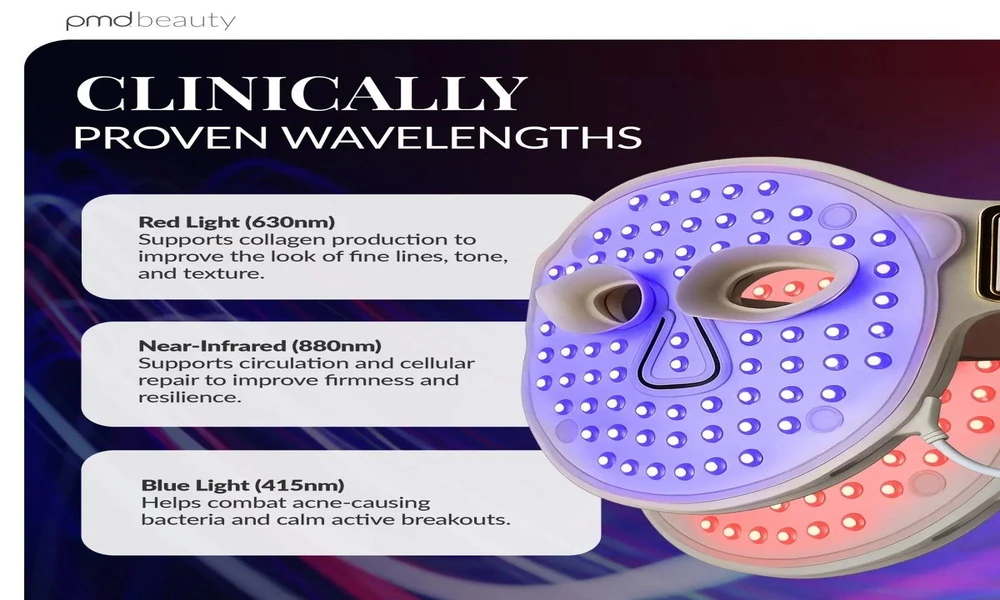
Red Light for the Appearance of Fine Lines
Red light is frequently included in skincare devices designed to support smoother-looking skin. It is commonly associated with cosmetic concerns such as the appearance of fine lines, uneven texture, and dullness.
Some devices combine red light with other wavelengths to provide more than one treatment mode. When evaluating a product, shoppers should check the actual wavelength specifications rather than relying only on broad descriptions such as red light technology.
Near-Infrared Light for Deeper Light Exposure
Near-infrared, often shortened to NIR, is not visible to the human eye. It is used in certain light-based skincare devices alongside red light.
The combination is intended to offer different light exposures within the same treatment system. However, a product’s technical specifications should not be interpreted as a guarantee of a particular cosmetic result. Individual responses differ, and realistic expectations are important when considering any at-home beauty technology.
Blue Light for Blemish-Prone Skin
Blue light is commonly associated with skincare devices designed for people concerned about visible breakouts. It is used in some acne-focused light treatments and may be included alongside red light in multi-mode masks.
People with frequent or severe acne should not rely on a beauty device as their only treatment. A dermatologist can help determine whether light therapy is appropriate and whether other acne treatments are needed.
Features to Compare Before Buying an LED Mask
The market includes products with different designs, technical specifications, and treatment options. Looking beyond promotional claims can make the selection process more practical.
Consider these features before choosing a device:
- Wavelength specifications: Look for clearly stated wavelengths rather than vague descriptions of light colors.
- Face coverage: Check whether the design provides coverage across areas such as the forehead, cheeks, nose, and chin.
- Intensity settings: Adjustable levels can provide flexibility when selecting a treatment setting.
- Comfort and fit: Flexible materials, a suitable headband, and a hands-free design can make regular use more convenient.
- Eye protection: Review the device’s built-in protection and follow its instructions for safe use.
- Cleaning and storage: A surface that is easy to wipe clean and suitable storage accessories can simplify maintenance.
These details are useful because an advanced device should be practical as well as technically capable. A complicated product that is uncomfortable or difficult to maintain may be less convenient for regular use.
Why Full-Face Coverage and Adjustable Settings Matter
Coverage is an important part of the overall design. A device with carefully distributed LEDs can provide light exposure across multiple facial areas, while a poorly fitting mask may leave gaps or sit unevenly against the face.
Adjustable intensity is another feature worth considering. Different power levels allow users to select from the settings provided by the manufacturer. More intensity does not automatically mean better results, so users should avoid choosing the highest setting simply because it sounds more powerful.
The best approach is to understand the available modes, follow the recommended treatment duration, and use the device according to its instructions. Comfort, consistency, and safe operation matter more than trying to shorten the process.
Exploring an Advanced At-Home LED Mask
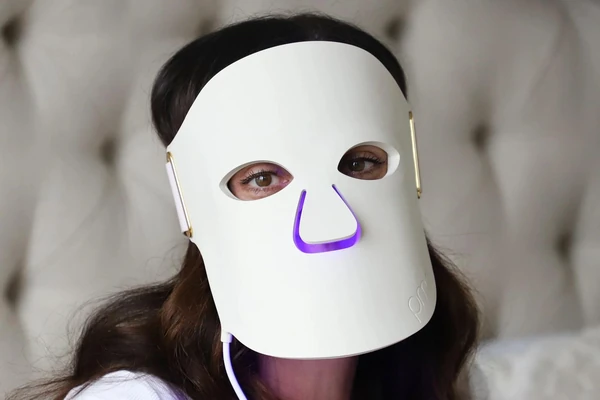
For shoppers comparing multi-wavelength skincare devices, the advanced led mask from PMD Beauty is one option to examine.
The PMD LED Mask is designed with 201 medical LEDs arranged across 67 light zones for full-face coverage. Its listed wavelengths include 630nm red light, 880nm near-infrared light, and 415nm blue light. The product also offers three adjustable intensity levels, flexible silicone construction, built-in eye protection, and a hands-free headband.
According to its product specifications, the mask offers Red + NIR, Blue, and combination treatment modes. Each session is designed to run for 10 minutes, and the package includes a rechargeable controller, USB charging cord, hard-shell storage case, velvet storage bag, and quick-start guide.
These features make it worth comparing with other devices for shoppers who want multiple light options in one product. Before purchasing, consumers should review the manufacturer’s complete instructions, safety information, warranty conditions, and suitability guidance.
How to Build LED Treatment Into a Skincare Routine
An LED device should fit into a skincare routine without making the rest of the routine unnecessarily complicated. Basic skin care remains important, even when someone introduces a technology-based treatment.
A practical routine can include the following steps:
- Start with clean skin. Remove makeup, sunscreen, and everyday surface residue before using the device. Follow the manufacturer’s directions about whether skin should be completely dry.
- Position the mask correctly. Secure it according to the supplied instructions and make sure it sits comfortably.
- Choose the appropriate mode. Select a setting based on the device’s instructions and the skincare concern you want to address.
- Follow the recommended duration. Do not extend sessions or increase intensity beyond the manufacturer’s guidance.
- Complete your regular skincare routine. Apply suitable moisturizers or other products after treatment if recommended by the manufacturer.
- Clean the device. Wipe the contact surface as directed and store it properly between uses.
Consistency is more useful than experimenting with excessive treatment time. Users should also keep their routine simple and avoid introducing several new products or devices simultaneously, as this can make it harder to identify the cause of irritation.
For additional everyday skincare ideas, readers can explore Fashion Point Blog’s article on maintaining moisture with lip balm. Although lip care and LED treatments serve different purposes, both can be considered within a broader approach to daily skin maintenance.
LED Mask Safety: What Users Should Know
At-home skincare devices should be selected and used carefully. The American Academy of Dermatology explains that red light devices may be used as a complementary option in some dermatological treatment plans. It also notes that short-term use appears generally safe, although temporary irritation or mild discomfort can occur.
The term FDA-cleared should also be understood correctly. According to the American Academy of Dermatology, clearance indicates that the device is considered low risk; it does not establish that a device will deliver a specific level of effectiveness for every user.
- Read the manufacturer’s instructions and follow the recommended treatment schedule.
- Use the supplied eye protection or built-in protection as directed.
- Consult a dermatologist if you have a skin condition, a history of light sensitivity, or concerns about medication-related photosensitivity.
- Seek professional advice if you experience persistent irritation, discomfort, or an unexpected skin reaction.
People with darker skin tones should also take extra care when considering visible-light treatments. The American Academy of Dermatology advises consulting a board-certified dermatologist because visible light may increase the risk of hyperpigmentation in some individuals.
How to Set Realistic Expectations
LED skincare devices are not instant solutions. The experience and visible outcomes can differ from one person to another, and product claims should be evaluated carefully.
A device may be designed to support the appearance of smoother or clearer-looking skin, but that does not mean it will eliminate every concern. Factors such as skin type, existing conditions, treatment consistency, and the device’s specifications all matter.
It is also important to remember that an LED mask does not replace daily sunscreen, gentle cleansing, or appropriate moisturization. People with ongoing acne, significant pigmentation, or signs of a skin condition may need a personalized treatment plan from a dermatologist.
Final Thoughts
An LED skincare mask can be an interesting addition to a home beauty routine when its technology, safety information, and practical features match the user’s needs. Comparing wavelengths, coverage, adjustable settings, comfort, and maintenance requirements can help shoppers move beyond marketing claims and make a more informed choice.
The most useful device is not necessarily the one with the most impressive description. It is the one that offers clear specifications, practical design, appropriate safety guidance, and a routine that the user can follow consistently. With realistic expectations and suitable professional guidance when needed, LED technology can be considered as one part of a balanced approach to skincare.